
Lil hinn minn Dubbju Raġjonevoli


Language


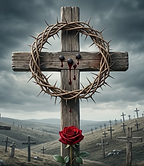


The True Gospel
e


The spiritual path begins with a direct call from Yeshua: “Repent, for the kingdom of heaven is at hand.” This imperative is the doorway to salvation—a foundational, inward shift away from sin and a fallen world, and a redirection of the heart toward the sovereign authority of God.
-
Matthew 4:17 — “From that time Jesus began to preach, and to say, ‘Repent: for the kingdom of heaven is at hand.’”
-
Mark 1:15 — “And saying, ‘The time is fulfilled, and the kingdom of God is at hand: repent ye, and believe the gospel.’”
2. The Doorway: Water Baptism and the Holy Spirit
Following the resurrection and ascension of Yeshua, Peter declared the active steps of covenant entry at Pentecost: turning in repentance, being buried with Messiah in baptism, and receiving divine empowerment through the Spirit.
-
Acts 2:38 — “Then Peter said unto them, ‘Repent, and be baptized every one of you in the name of Jesus Christ for the remission of sins, and ye shall receive the gift of the Holy Ghost.’”
-
John 3:5 — “Jesus answered, ‘Verily, verily, I say unto thee, Except a man be born of water and of the Spirit, he cannot enter into the kingdom of God.’”
3. The Blood: Grafted into the Commonwealth of Israel
By the blood shed on the tree, the dividing wall of hostility was torn down. Nations once alienated from the promises and covenants are brought near and grafted as wild olive branches into the root of Israel.
-
Ephesians 2:12–13 — “That at that time ye were without Christ, being aliens from the commonwealth of Israel, and strangers from the covenants of promise, having no hope, and without God in the world: But now in Yesgua messiah ye who sometimes were far off are made nigh by the blood of Christ.”
-
Romans 11:17 — “And if some of the branches be broken off, and thou, being a wild olive tree, wert graffed in among them, and with them partakest of the root and fatness of the olive tree.”
4. The Commission: Gathering Others into the Harvest
Salvation is not walked in isolation; a grafted branch bears fruit. Believers are commanded to act as fishers of men and ambassadors, working to gather the lost into the Father’s house before the end.
-
Matthew 28:19–20 — “Go ye therefore, and teach all nations, baptizing them in the name of the Father, and of the Son, and of the Holy Ghost: Teaching them to observe all things whatsoever I have commanded you.”
-
Matthew 9:37–38 — “Then saith he unto his disciples, ‘The harvest truly is plenteous, but the labourers are few; Pray ye therefore the Lord of the harvest, that he will send forth labourers into his harvest.’”
-
Luke 14:23 — “And the lord said unto the servant, ‘Go out into the highways and hedges, and compel them to come in, that my house may be filled.’”
5. The Perseverance: Holding Fast Until the End
The culmination of salvation requires endurance through trials, testing, and persecution. The promise of the eternal crown belongs to those who do not turn back.
-
Matthew 24:13 — “But he that shall endure unto the end, the same shall be saved.”
-
Hebrews 10:35–36 — “Cast not away therefore your confidence, which hath great recompence of reward. For ye have need of patience, that, after ye have done the will of God, ye might receive the promise.”
-
Revelation 2:25–26 — “But that which ye have already hold fast till I come. And he that overcometh, and keepeth my works unto the end, to him will I give power over the nations.”
Il-Vanġelu Veru
Imkien fl-Iskrittura Yeshua ma jgħid li l-Evanġelju huwa dwar liH ġej biex imut għal dnubietna.
Yeshua X’Ipprietka?
Ħafna jkunu ixxukkjati meta jsiru jafu li l-Bibbja tiddefinixxi l-evanġelju b’mod differenti minn dak li dejjem qalulhom. Qari bir- reqqa juri li l- aċċettazzjoni tad- demm taʼ Kristu bħala ħlas taʼ dnubietna—kemm hu importanti fuq il- bażi— fil- fatt mhuwiex il- fokus tal- “aħbar tajba” li Hu ġab u li l- appostli komplew jippritkaw. Minbarra li miet għal dnubietna, Yeshua ġie fuq l-art bħala messaġġier mingħand Ġeħova l-Missier:
L-aħbar tajba hija li Jehovah ordna lil Yeshua biex iħabbar il-miġja tas-saltna Tiegħu hawn fuq l-art.
-
Ġwanni 8:38 Jien nitkellem dwar dak li rajt għand Missieri, u intom tagħmlu dak li smajtu mingħand missierkom.”
-
Ġwanni 12:49-50 Għax jien ma tkellimtx waħdi, imma l-Missier li bagħatni hu stess tani kmandament — x’għandi ngħid u x’għandi nitkellem. 50 U naf li l-kmandament Tiegħu hu l-ħajja ta’ dejjem. Dak li ngħid jien, għalhekk, ngħidu kif qalli l-Missier.”
-
Ġwanni 14:24 Min ma jħobbx ma jżommx kliemi. U l-kelma li tisimgħu mhix tiegħi imma tal-Missirijiet li bagħtuni.
-
Luqa 4:43 Yeshua qalilhom: "Irrid inxandar is-saltna tal-Mulej lill-Mulej.
bliet oħra wkoll, għax għal dan il-għan ġejt mibgħut.”
Filwaqt li Yeshua kien kategorikament l-aktar individwu importanti li qatt mexa fuq din l-art, il-Bibbja turi biċ-ċar li l-evanġelju miġjub minn Yeshua ma kienx sempliċement dwaru nnifsu. Aqra l-istqarrijiet Tiegħu, u pprova dan għalik innifsek:
-
Mattew 9:35 Yeshua għadda mill-bliet u l-irħula kollha, jgħallem fis-sinagogi tagħhom, jippriedka l-Evanġelju tas-Saltna u jfejjaq kull mard u mard. 36 Meta ra l-folol, ħassru mogħdrija għalihom, għax kienu ffastidjati u bla sahha, bħal nagħaġ mingħajr ragħaj.…
-
Mark 1:14-15 Issa wara li Ġwanni tpoġġa l-ħabs, Yeshua wasal il-Galilija, jipprietka
l-Evanġelju tas-saltna ta’ Alla, u qal, “Iż-żmien seħħ, u s-saltna ta’ Alla waslet. Indem, u emmnu fl-Evanġelju”.
43
-
Luke 8:1 Issa ġara li Ġesù għadda minn kull belt u raħal, jippriedka u jġib l-Evanġelju tas-Saltna t'Alla.
-
Luqa 16:16 Il-liġi u l-profeti kienu sa Ġwanni. Minn dak iż-żmien is-saltna ta’ Alla ġiet ipprietkata, u kulħadd qed jagħfas fiha.
-
Mattew 24:14 U hu aktar faċli li s-sema u l-art jgħaddu milli jonqos xi ħaġa waħda tal-liġi. U dan l-evanġelju tas-saltna jiġi mxandar fid-dinja kollha bħala xhieda lill-ġnus kollha, u mbagħad jiġi t-tmiem.
It-tħabbira ta’ “aħbar tajba”—l-aqwa aħbar li setgħet tinstema’ llum—li l-Missier ta permezz ta’ Yeshua, kienet dwar is-Saltna Tiegħu ġiet stabbilita fuq l-art. X'inhu renju?
Essenzjalment huwa nazzjon, biċ-ċittadini, l-art u l-liġijiet kollha tiegħu, immexxi minn gvern. Fl-użu bibliku, saltna tista’ tfisser ukoll familja minn ġenitur wieħed imkabbar f’nazzjon.
Saltna għandha erba’ elementi bażiċi:
-
re, ħakkiem suprem, jew aġent li jirregola;
-
territorju, bil-lokalità speċifika tiegħu u l-linji tal-konfini definiti;
-
suġġetti jew ċittadini fi ħdan dik il-ġurisdizzjoni territorjali;
-
u liġijiet u forma ta’ gvern li permezz tagħhom tiġi eżerċitata r-rieda tal-ħakkiem. Jekk ninjoraw xi wieħed minn dawn l-elementi essenzjali—jekk ninjoraw il-messaġġ li Yeshua ġab mingħand il-Missier—ikollna fidi mgħawġa, waħda li ma ġġibx is-salvazzjoni.
Min Se jkun Sultan?
Ma jistaʼ jkun hemm ebda dubju li s- Sultan tas- Saltna t’Alla se jkun Yeshua. Anke jekk Hu ma eżerċita l-ebda awtorità ċivili waqt li kien fuq l-art, meta jerġa’ lura, Hu se jkun “Sultan tas-slaten u Sid tal-mulejetti” I Timotju 6:15; Apokalissi 19:16; 17:14).
Profeti oħra bassru wkoll dwar sultan li ġej, mhux biss taʼ Iżrael u Ġuda, imma wkoll li jestendi għad-dinja kollha. Isaija jgħidilna:
Għax twieledilna Tifel, jingħatalna Iben; u l-gvern ikun fuq spalltu. U ismu jissejjaħ l-Għaġeb, Kunsillier, Alla Qawwija, Missier ta’ Dejjem, Prinċep tal-Paċi. Iż-żieda tal-gvern Tiegħu u l-paċi ma jkunx hemm tmiem, fuq it-tron ta’ David u fuq is-saltna Tiegħu, biex tordnaha u tistabbilixxiha b’ġudizzju u ġustizzja minn dak iż-żmien 'il quddiem, saħansitra għal dejjem. Iż-żelu tal-Mulej ta’ l-eżerċti jwettaq dan. (Isaija 9:6-7)
Fejn Se Tiġi Stabbilita s-Saltna? Falsità dominanti li Satana daħħal lill- umanità hija t- twemmin li r- ruħ tiegħu tmur is- sema wara l- mewt. Ħafna nies jassumu li l-frażi Saltna t’Alla hija sinonima mas-sema, imma l-Bibbja tgħallem li meta Yeshua jerġa’ lura, is-Saltna t’Alla tiġi stabbilita fuq l-art!
L- ewwel, innota kif il- Bibbja tirrifjuta kompletament il- kunċett taʼ “li mmorru s- sema” wara l- mewt. Pietru jgħid lill-folla f’jum il-Pentekoste, “Rġiel ħuti, ħalluni nkellimkom bil-libertà tal-patrijarka David, li hu mejjet u midfun, u l-qabar tiegħu jinsab magħna sal-lum.
.. Għax David ma telax fis-smewwiet" (Atti 2:29, 34). Dan il-"bniedem skond il-qalb ta' Alla" mhux fis-sema, imma għadu fil-qabar! Is-Salvatur tagħna jikkonferma dan f'
-
Ġwanni 3:13: “Ħadd ma tela’ s-sema ħlief Hu li niżel mis-sema, jiġifieri Bin il-bniedem li hu fis-sema”.
-
Ekkleżjasti 9:5,10 Il-qaddisin mejta tat-Testment il-Qadim u l-Ġdid bl-istess mod qed jorqdu fl-oqbra tagħhom, jistennew il-qawmien - mingħajr sensi.
-
Ġob 14:14-15 Ġob jiddeskrivi l-istennija għall-qawmien b’dan il-mod: “Jekk bniedem imut, jerġa’ jgħix? Il-jiem kollha tas-servizz iebes tiegħi nistenna, sakemm tiġi l-bidla tiegħi. Int issejjaħ, u jien tweġibek.
-
Apokalissi 5:10, "U għamilthom saltna (razza rjali) u qassisin għal Alla tagħna, u jsaltan fuq l-art!"
-
Apokalissi 11:15 Imbagħad is-seba 'anġlu daqq: U kien hemm vuċijiet qawwija fis-sema, li jgħidu; “Is-saltniet ta’ din id-dinja saru s-saltniet tal-Mulej tagħna u ta’ Ibnu, u Hu jsaltan għal dejjem ta’ dejjem!”
-
Apokalissi 21:21 . U rajt ġenna ġdida u art ġdida, għax l-ewwel sema u l-ewwel art kienu għaddew. Ukoll ma kienx hemm aktar baħar. Imbagħad jien, Ġwanni, rajt il-belt qaddisa, Ġerusalemm il-Ġdida, nieżla mis-sema mingħand Alla, imħejjija bħala għarusa mżejna għal żewġha. U smajt leħen qawwi mis-sema jgħid: "Ara, it-tabernaklu ta' Alla huwa mal-bnedmin, u jgħammar magħhom, u huma jkunu l-poplu tiegħu. Alla nnifsu jkun magħhom u jkun Alla tagħhom. U Alla jimsaħ. kelli kull demgħa minn għajnejhom, ma jkunx hemm aktar mewt, la niket, u lanqas biki. Ma jkunx hemm aktar wġigħ, għax dak ta’ qabel għadda.
...
-
Apokalissi 21:1 Min jirbaħ jirtu kollox, u jien inkun Alla tiegħu u hu ibni.” Min Huma s-Suġġetti u ċ-Ċittadini tas-Saltna? Anke jekk id-dinja kollha se tkun immexxija minn Yeshua meta jistabbilixxi s-Saltna fuq art, mhux kulħadd fuq l-art se jkun ċittadin ta’ dik is-Saltna Kulħadd se jkun suġġett għas-Sultan tas-slaten, imma mhux kulħadd ikun daħal f’dik is-Saltna spiritwali.
-
Ġwanni 3:3 Yeshua wera din il-verità lil Nikodemu. Meta Nikodemu ġie lejh bil-lejl, Yeshua qallu: “Tassew, ngħidlek, jekk ma jitwieledx mill-ġdid, ma jistax jara s-Saltna ta’ Alla”.
-
I Korintin 15:50 . Pawlu qal lill-Korintin “il-laħam u d-demm [bnedmin mortali] ma jistgħux jirtu s-saltna t’Alla; u lanqas il-korruzzjoni ma tirtu l-inkorruzzjoni” Filwaqt li għandna ġisem fiżiku, laħam u demm, nistgħu nkunu werrieta tas-Saltna, imma ma nistgħux nidħlu. fis- Saltna bis- sħiħ, u lanqas ma nistgħu narawha, sakemm insiru spirtu—jingħataw ġisem glorjuż magħmul minn spirti fl- irxoxt.
Dan ifisser li, minkejja li l-umanità kollha se tkun soġġetta għas-Saltna li Yeshua se jaħkem fuq l-art, mhux bilfors ikunu parti minnha.
Mattew 25:31-34 Meta Bin il-bniedem jiġi fil-glorja tiegħu, u l-anġli qaddisin kollha miegħu, imbagħad ipoġġi fuq it-tron tal-glorja Tiegħu. Il-ġnus kollha jinġabru quddiemu, u Hu jifridhom lil xulxin, bħalma ragħaj jaqsam in-nagħaġ tiegħu mill-mogħoż. U jpoġġi n-nagħaġ fuq il-lemin tiegħu, imma l-mogħoż fuq ix-xellug. Imbagħad is-Sultan jgħid lil dawk fuq il-lemin Tiegħu: "Ejjew, intom bierka minn Missieri, irtu s-saltna mħejjija għalikom mill-bidu tad-dinja." Is-Saltna t’Alla, mela, se tiġi mmexxija minn Yeshua, u se tintiret minn dawk li ġew igglorifikati malli ġew irxoxtati mill-imwiet. Il- qaddisin irxoxtati—ċittadini tas- Saltna t’Alla—se jaħkmu flimkien magħhom
Yeshua fuq il-popli li fadal tad-dinja (Danjel 7:27; II Timotju 2:12; Apokalissi 2:26-28; 5:9-10; 20:4-6; 22:5). X'inhuma l-Liġijiet tas-Saltna?
-
Imħallfin 21:25 . Il-liġi hija sempliċement gwida li n-nies għandhom isegwu biex jiżguraw koeżjoni, ftehim u paċi fir-relazzjonijiet ċivili u interpersonali. Mingħajr standard mifhum, infurzat minn ħakkiem sovran, kulħadd kien jaġixxi skont il-kappriċċ jew ix-xewqa tiegħu, u ma jiġi prodott xejn tajjeb jew siewi. Is-Saltna t’Alla mhix differenti.
-
I Korintin 14:33 Alla mhuwiex l-awtur ta 'konfużjoni. Is-Saltna tiegħu tkun paċifika u ordnata għax kull min se jidħol fiha jkun issottometta ruħu volontarjament għal-liġi – il-kmandamenti – ta’ Alla. Alla ma jkollu lil ħadd fis-Saltna Tiegħu li juri, bil-mudell ta’ ħajtu, li mhux se jobdih.
-
(Mattew 7:21-23; Lhud 10:26-31). Apokalissi 12:17 jiddeskrivi lill-qaddisin bħala dawk “li jżommu l-kmandamenti ta’ Alla u għandhom ix-xhieda ta’ Yeshua.
Dawn iż-żewġ stqarrijiet - li tħobb lil Alla u tħobb lill-proxxmu tiegħek bħala lilek innifsek - jiġbru l-ewwel erba’ u l-aħħar sitt kmandamenti rispettivament. Il-kmandamenti sempliċement jiddefinixxu aktar kif tħobb lil Alla u tħobb lill-bniedem. Aħna nħobbu lil Alla b’mod ġenerali billi npoġġuh l-ewwel, billi ma nadottawx għajnuniet fiżiċi biex nadurawh, billi ma nġorrux ismu għalxejn, u billi nżommu s-Sabbath tas-seba’ jum qaddis. Aħna nħobbu lill-bniedem, b’mod ġenerali, billi nonoraw lill-ġenituri tagħna, mhux noqtlu, ma nagħmlux adulterju, ma nisirqux, ma nigdebdux, u ma nixgħqux.
-
Ġwanni 14:15 "Jekk intom tħobbuni, żommu l-kmandamenti Tiegħi. "Min għandu l-kmandamenti Tiegħi u jħareshom, hu li jħobbni. U min iħobbni jkun maħbub minn Missieri, u jien inħobbu u nuri. Jien lilu." "Jekk xi ħadd iħobbni, iħares kelmti, u Missieri jħobbu, u aħna nersqu għandu u nagħmlu darna miegħu. Min ma jħobbnix ma jżommx kliemi, u l-kelma li tisimgħu intom. mhix tiegħi imma l-Missirijiet li bagħtuni”.
The Gospel (in Hebrew, the Besorah—"good news") that Yeshua (Jesus) personally preached is summarized in Mark 1:14–15:
"Now after John was put in prison, Yeshua came to Galilee, preaching the gospel of the kingdom of God, and saying, 'The time is fulfilled, and the kingdom of God is at hand. Repent, and believe in the gospel.'"
While modern ears often hear "the gospel" defined exclusively as the mechanics of individual salvation (how to go to heaven when you die), Yeshua’s proclamation was broader, deeper, and grounded in the Hebrew Scriptures: the Gospel of the Kingdom of God (Besorat HaMalkhut).
He announced that the sovereign rule, authority, and covenant reign of the Creator had broken directly into this fallen world through the King Himself.
1. "The Time is Fulfilled" (Prophetic Arrival)
When Yeshua said the time was fulfilled, He was speaking to a nation longing for deliverance. The prophecies of Daniel (the timeline of Daniel 9 and the stone that crushes the kingdoms of the world in Daniel 2) and Isaiah were reaching their climax.
In Luke 4:18–19, He opened the scroll of Isaiah 61 in the Nazareth synagogue to define His mandate:
-
Preaching good tidings to the poor and humble.
-
Healing the brokenhearted.
-
Proclaiming liberty to the captives and the opening of prison to those who are bound.
-
Proclaiming the acceptable year of the Lord (the ultimate Jubilee release from sin and debt).
-
2. "The Kingdom of God is at Hand" (The Core Proclamation)
Yeshua did not preach an abstract philosophy; He preached an active government and reign:
-
Sovereignty over the Kingdom of Darkness: Every time Yeshua cast out a demon, healed incurable diseases, or raised the dead, He was demonstrating that Satan’s usurpation of the earth was being overthrown. "If I cast out demons by the finger of God, surely the kingdom of God has come upon you" (Luke 11:20).
-
The Nature of the King’s Reign: His kingdom was not of this worldly system—it did not advance through political intrigue, violence, or human armies (John 18:36). Instead, it advanced through truth, sacrificial love, humility, and righteousness.
-
Present and Future: The Kingdom is already here in the hearts and walk of those who submit to the King, and it is yet to come in its physical, global fullness when the King returns to establish His reign in Jerusalem (Zechariah 14; Revelation 11:15).
-
3. "Repent" (Teshuvah — A Complete Return)
To enter this Kingdom, the requirement was not a passive intellectual nod, but Teshuvah—a radical turning around:
-
Turning from Self-Rule to God's Rule: Repentance means laying down rebellion, secular autonomy, and false religious pretenses.
-
Internalizing the Commandments: In the Sermon on the Mount (Matthew 5–7), Yeshua explained the constitution of the Kingdom. He made it clear that He did not come to abolish the Law or the Prophets, but to fill them to the full (Matthew 5:17). Kingdom repentance goes beyond external legalism to the motives of the heart—eradicating lust, hatred, pride, and greed.
-
Fruit of Repentance: Just as John the Baptist warned, Yeshua taught that true repentance always bears observable, righteous fruit (Matthew 7:16–21).
-
4. "Believe in the Good News" (Covenant Faith & Allegiance)
In the biblical mindset, "belief" (emunah) is not merely agreeing that God exists; it is active loyalty, trust, and obedience to the King:
-
Trusting the Father’s Provision: Ceasing to worry about food, drink, and clothing like the nations do, but rather "seeking first the kingdom of God and His righteousness, and all these things shall be added to you" (Matthew 6:33).
-
Trusting the Sacrifice of the Son: Yeshua taught that He came "not to be served, but to serve, and to give His life a ransom for many" (Mark 10:45). The Good News is that the King took the curse of our disobedience upon Himself at Passover, shedding His blood to ratify the New Covenant (Matthew 26:28).
-
Victory Over the Grave: Yeshua promised that whoever hears His word and believes Him who sent Him has passed from death into life (John 5:24), anchored by His own resurrection as the firstfruits from the dead.
-
5. Summary: What Entering the Gospel Requires
In Yeshua's own words, walking in the Gospel means:
-
Denying Self: "If anyone desires to come after Me, let him deny himself, and take up his cross daily, and follow Me" (Luke 9:23).
-
Obeying the Father's Will: "Not everyone who says to Me, 'Lord, Lord,' shall enter the kingdom of heaven, but he who does the will of My Father in heaven" (Matthew 7:21).
-
Loving God and Neighbor: Loving the Lord with all your heart, soul, mind, and strength, and loving your neighbor as yourself (Mark 12:29–31).
-
Proclaiming the Kingdom to All Nations: "And this gospel of the kingdom will be preached in all the world as a witness to all the nations, and then the end will come" (Matthew 24:14).
In short, the Gospel Yeshua taught is the royal proclamation that God’s reign has arrived in His Messiah, calling every human heart to turn away from sin, enter covenant peace with the Father through the Son, and live as an obedient citizen of His eternal Kingdom.
In ancient kingdoms, when a king ascended his throne, he issued a royal charter or legal code declaring how his realm would be governed and what was expected of his subjects. In Matthew 5–7, Yeshua goes up on a mountain—echoing Moses ascending Mount Sinai—sits down in the posture of a reigning king and teacher, and delivers the manifesto of His newly inaugurated reign.
The Sermon on the Mount is not an impractical, idealistic philosophy, nor is it a checklist to earn salvation. It is the living, practical constitution of the Kingdom of God, dictating the character, inner motives, ethics, and daily allegiance required of every citizen walking under Messiah's rule.
1. The Preamble: The Citizen’s Internal Disposition (The Beatitudes)
Any national constitution opens with foundational values. Earthly empires prize military conquest, political clout, wealth, and self-assertion. Yeshua begins His charter (Matthew 5:3–12) by turning the world's value system completely upside down:
-
Poor in Spirit: Recognizing total spiritual bankruptcy and utter dependence on the King.
-
Mourning: Grieving over personal sin and the brokenness of a fallen world.
-
Meekness: Possessing harnessed strength, patience, and humility rather than violent ambition.
-
Hunger for Righteousness: Longing for God’s righteous order to prevail more than craving food or physical comfort.
-
Mercy and Purity of Heart: Extending forgiveness and maintaining undivided, uncorrupted loyalty to God.
-
Peacemaking: Actively reconciling estranged parties, reflecting the character of the Father.
These are not separate groups of people receiving different rewards; together, they describe the temperament of the citizen who has laid down self-rule.
2. The Citizen’s Public Office: Salt and Light
Citizens of the Kingdom do not live in isolationist enclaves; they are embedded directly into a decaying and dark culture (Matthew 5:13–16):
-
Salt of the Earth: In antiquity, salt was a preservative that arrested rot and decay. Kingdom citizens preserve truth, hold back moral corruption, and bring spiritual flavor to the societies they inhabit.
-
Light of the World: Light exposes danger and guides the traveler. Believers do not hide their allegiance to the King; their visible, tangible good works shine so that observers give glory directly to the Father.
-
3. The Legal Standard: Fulfilling and Internalizing the Law
In Matthew 5:17–20, Yeshua establishes the legal framework of His government, dispelling any thought of lawlessness or anarchy:
"Do not think that I came to destroy the Law or the Prophets. I did not come to destroy but to fulfill. For assuredly, I say to you, till heaven and earth pass away, one jot or one tittle will by no means pass from the law till all is fulfilled."
To "fulfill" (pleroo) in Hebrew thought means to bring the law to its fullest intended meaning and expression, not to abolish it. Yeshua contrasts the superficial, external legalism of the religious establishment with the King’s internal standard. Through a series of six antitheses ("You have heard that it was said... but I say to you"), He shows that the King's law governs the thoughts and desires before an act is ever committed:
-
Murder vs. Contempt: It is not enough to refrain from physical murder; harboring bitter anger, resentment, or hurling venomous insults (Raca) makes one liable to judgment (5:21–26).
-
Adultery vs. Lust: Purity is not just refraining from physical unfaithfulness; looking with covetous intent is adultery in the heart (5:27–30).
-
Oaths vs. Total Integrity: Citizens do not need elaborate religious oaths or legal loopholes to verify their truthfulness; their word is their bond—their "Yes" means yes, and their "No" means no (5:33–37).
-
Retaliation vs. Sacrificial Generosity: Rather than demanding immediate vengeance ("an eye for an eye"), citizens yield personal rights, go the extra mile, and overcome evil with good (5:38–42).
-
Love for Enemies: The ultimate test of Kingdom citizenship is reflecting the Father’s indiscriminate benevolence—praying for persecutors and blessing those who curse you (5:43–48).
-
4. Public Duty & Worship: Sincerity Over Religious Theater
In Matthew 6, Yeshua regulates the three primary pillars of personal religious duty: giving, prayer, and fasting. In earthly systems, piety is often weaponized for social prestige. In the Kingdom, performance art is condemned:
-
Secret Giving (Alms): Giving to the needy without sounding a trumpet or announcing tax write-offs; the left hand does not know what the right is doing.
-
Secret Prayer: Communing behind closed doors with the Father, rather than reciting vain, repetitive words to impress bystanders. He provides the Model Prayer (the Lord's Prayer), teaching citizens to align their desires with the Father’s name, His kingdom coming, and His will being done on earth.
-
Secret Fasting: Anointing the head and washing the face so that the physical affliction of fasting is unseen by men, directed only to the Father who sees in secret.
-
5. The Economic System: Trust, Not Striving
Every kingdom has an economy. The economy of the world is driven by fear, scarcity, hoarding, and status anxiety. The Kingdom of God operates on radical faith in divine provision (Matthew 6:19–34):
-
Currency: True wealth is not stored in physical barns, bank vaults, or commodities where moth and rust destroy; it is stored in heaven through generous, righteous living.
-
Singular Focus: A servant cannot serve two masters. You cannot pledge allegiance to the Creator while serving Mammon (wealth/money).
-
Freedom from Worry: Citizens do not sweat and panic over daily bread or clothing like the pagans do. The King feeds the birds of the air and clothes the lilies of the field. The citizen's sole operational directive is:
"Seek first the kingdom of God and His righteousness, and all these things shall be added to you." (Matthew 6:33)
6. Relational Protocol: Righteous Discernment Without Self-Righteous Condemnation
In Matthew 7:1–12, Yeshua sets the rules for how citizens treat one another:
-
The Spec and the Log: Before attempting to perform delicate eye surgery on a brother’s fault, remove the massive log of blind self-righteousness from your own eye.
-
Holy Discernment: While judgment is warned against, discernment is commanded—do not cast pearls before swine or give what is sacred to dogs.
-
Persistent Petitions: Keep asking, seeking, and knocking, trusting that the Father gives good gifts to His children.
-
The Royal Rule (The Golden Rule): "Whatever you want men to do to you, do also to them, for this is the Law and the Prophets." (Matthew 7:12)
-
7. The Ratification: Hearing vs. Doing
A constitution is useless if it is merely read and debated rather than obeyed. Yeshua concludes His address with four sobering warnings demanding personal allegiance:
-
Two Gates: The wide, crowded gate leading to destruction versus the narrow, difficult gate leading to life (7:13–14).
-
Two Trees: True prophets and false prophets, known not by their charisma or titles, but by their actual fruit (7:15–20).
-
Two Confessions: Warning that crying "Lord, Lord" or performing signs in His name is worthless if one practices lawlessness (anomia). Only those who do the will of the Father will enter (7:21–23).
-
Two Foundations: The sermon ends with a dramatic builder’s test. The person who hears these words and builds on them is a wise man who digs deep and anchors his house on the solid bedrock. When the storms, floods, and winds beat against that life, it stands firm. The person who hears and does not obey builds on shifting sand—and great is the fall of it (7:24–27).
-
When Yeshua concluded, the crowds were astonished. He did not quote human traditions or cite precedent like the scribes; He spoke as the Lawgiver and King Himself, laying down the permanent, unalterable rule of life for all who call Him Lord.